



Imagine stepping into a lush forest, the gentle rustle of leaves overhead and birdsong filling the air. It’s not just a sensory pleasure—this connection with nature is a powerful ally for mental health and wellbeing. Research has uncovered that spending as little as 15 minutes a day in these natural settings can significantly lift your mood and sharpen your focus. This blog will guide you through the exciting science behind nature’s therapeutic effects, including insights into practices like forest bathing and the role of urban green spaces. Whether you’re seeking a mental boost or an emotional sanctuary, nature offers accessible and profound benefits. Learn more about the benefits of nature on mental health.
Nature has a profound impact on our mental health and mood. Let’s explore how practices like forest bathing and spending time in urban green spaces can boost our emotional wellbeing.
Benefits of Forest Bathing
Forest bathing, or shinrin-yoku, is a Japanese practice of immersing oneself in nature. This technique has gained popularity worldwide due to its significant mental health benefits.
Research shows that forest bathing can reduce stress hormone levels and lower blood pressure. A study published in the International Journal of Environmental Research and Public Health found that participants who engaged in forest bathing experienced decreased anxiety and improved mood.
The practice involves using all five senses to connect with nature. This mindful approach helps individuals disconnect from daily stressors and find a sense of calm and peace.
For those unable to access forests regularly, even brief nature exposures can be beneficial. Transition Life Care suggests incorporating nature walks or visits to local parks into your routine for similar mood-enhancing effects.
Urban Green Spaces and Mood
Urban green spaces play a crucial role in supporting mental health for city dwellers. These areas provide a much-needed respite from the hustle and bustle of urban life.
A study reported by the American Psychological Association found that spending just 20 minutes in an urban park can significantly improve mood and reduce stress levels. This effect was observed regardless of whether participants engaged in physical activity or simply sat quietly.
Green spaces in cities also foster social connections and community engagement. Parks and community gardens create opportunities for social interaction, which is vital for mental wellbeing.
Even small pockets of nature, such as street trees or rooftop gardens, can have a positive impact on mood. Urban planners are increasingly recognizing the importance of incorporating green spaces into city designs to support residents’ mental health.
Cognitive Restoration and Attention Recovery
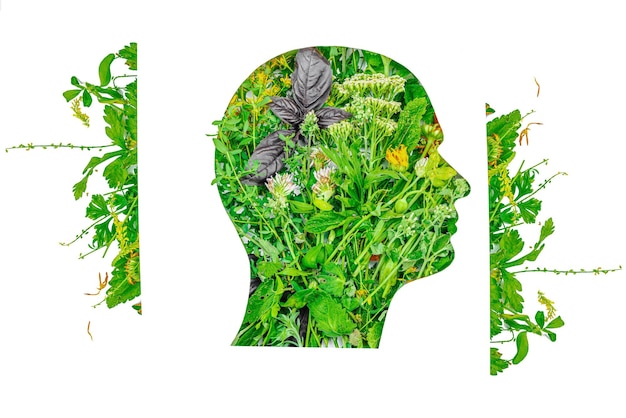
Nature not only enhances our mood but also has a remarkable ability to restore our cognitive functions and improve attention. This section delves into the science behind these benefits.
Attention Restoration Theory Explained
Attention Restoration Theory (ART) proposes that nature has a unique capacity to replenish our mental resources and improve cognitive function. This theory was developed by psychologists Rachel and Stephen Kaplan in the 1980s.
ART suggests that urban environments, with their constant stimuli and demands for directed attention, lead to mental fatigue. In contrast, natural environments provide “soft fascination” – effortless attention that allows our minds to rest and recover.
Key components of restorative environments include:
-
Being away: A sense of escape from everyday demands
-
Extent: The feeling of being in a whole other world
-
Fascination: Effortless attention to interesting stimuli
-
Compatibility: A good fit between the environment and one’s purposes
UC Davis Health notes that even brief nature exposures can trigger this restorative process, making it accessible for most people.
Cognitive Benefits of Nature Exposure
Exposure to nature has been linked to numerous cognitive benefits, including improved concentration, memory, and problem-solving skills.
A study published in Nature found that participants who took a 50-minute walk in nature performed better on cognitive tests compared to those who walked in an urban environment. The nature group showed improved working memory and reduced anxiety.
These cognitive benefits extend to various settings:
-
Work environments: Offices with views of nature or indoor plants report higher employee productivity and job satisfaction.
-
Educational settings: Schools with green spaces see improved academic performance and reduced ADHD symptoms in students.
-
Healthcare: Patients with views of nature from their hospital rooms often experience faster recovery times and reduced need for pain medication.
For those seeking to enhance their cognitive function, Transition Life Care recommends incorporating regular nature breaks into daily routines, even if it’s just a few minutes of looking at plants or trees.
Nature-Based Interventions for Wellbeing

Nature-based interventions are gaining recognition as effective tools for promoting overall wellbeing. This section explores how these interventions can particularly benefit youth and enhance our sense of happiness through nature connectedness.
Nature’s Role in Youth Wellbeing
Nature plays a vital role in supporting the mental health and development of children and adolescents. Exposure to natural environments during formative years can have lasting positive impacts on wellbeing.
Research indicates that children who spend more time in nature exhibit:
-
Reduced symptoms of anxiety and depression
-
Improved attention span and cognitive function
-
Enhanced social skills and emotional regulation
A study by the University of Essex found that even a 5-minute “green exercise” session in nature improved self-esteem and mood in young people.
For parents and educators, incorporating nature-based activities into daily routines can be a powerful tool for supporting youth wellbeing. This could include outdoor learning sessions, nature walks, or gardening projects.
Nature Connectedness and Happiness
Nature connectedness refers to the extent to which individuals include nature as part of their identity. This concept goes beyond mere exposure to nature and involves developing a deep, emotional bond with the natural world.
Research shows that people with higher levels of nature connectedness report:
-
Greater life satisfaction and happiness
-
Increased sense of purpose and meaning in life
-
Better physical and mental health outcomes
Cultivating nature connectedness can be achieved through various practices:
-
Mindful nature observation
-
Keeping a nature journal
-
Participating in conservation activities
-
Learning about local flora and fauna
At Transition Life Care we believe that connecting with nature is more than a leisure activity—it’s a powerful pathway to wellbeing, independence, and inclusion. Through our community access supports, we help NDIS participants explore natural spaces in ways that feel safe, meaningful, and enjoyable, whether that’s a gentle walk along the beach, time in local parks, or visits to nature-based activities. If you or your loved one would like to experience the many benefits that nature can bring, we’d love to walk alongside you on this journey. Please feel free to Contact Us to learn more about how we can support your needs and help you embrace the healing power of nature.

